Build a Powerful Digital Online Portfolio Platform
In the creative world, your work speaks volumes, but your presentation is the voice that gets it heard. A Digital Online Portfolio Platform is more than just a gallery of your projects; it's a curated, interactive story of your skills, process, and professional identity. It’s the central hub where potential clients, employers, or collaborators can engage with your brand on a deeper level. Moving beyond static PDFs or cluttered social media feeds, a dedicated platform allows you to control the narrative, showcase your best work with intention, and build a memorable online presence that works for you 24/7.
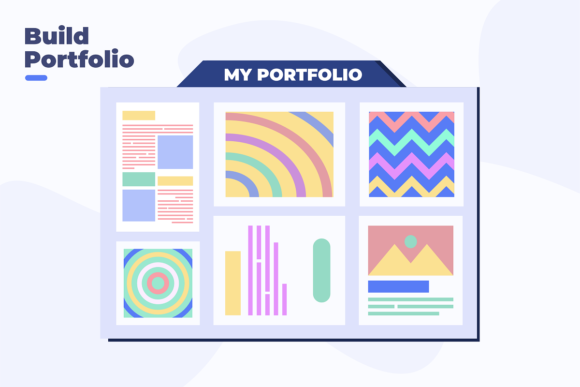
The visual character of a well-designed portfolio platform is clean, modern, and intentionally minimal. It prioritizes your content above all else. Think of it as a sophisticated digital gallery space—ample white space, intuitive navigation, and typography that guides the eye without competing for attention. The personality is one of confidence and professionalism. It doesn’t shout; it invites. This design philosophy ensures that your projects, whether they involve graphic design, web design, photography, or content creation, are always the star of the show. The overall appeal lies in its ability to make complex work look effortlessly accessible and deeply engaging.
Where Your Portfolio Truly Shines
The true power of a dedicated Digital Online Portfolio Platform is its versatility across industries and project types. For a graphic designer or brand strategist, it becomes the definitive showcase for logo design systems, brand identity packages, and packaging design. You can detail the creative brief, show the evolution of concepts, and present the final deliverables in context. Marketers and content creators can use it to display campaign results, social media graphics series, and editorial design work, turning metrics and visuals into a compelling success story.
Entrepreneurs and small business owners leverage these platforms to build credibility. A well-organized portfolio of past client work, product photography, or case studies serves as powerful social proof. For bloggers and publishers, it’s an ideal way to curate writing samples, magazine layouts, or e-book designs. Even crafters and hobbyists find immense value, using it to sell patterns, showcase handmade goods, or document a creative journey. The platform adapts to your medium, whether your final output is destined for digital screens, printed materials, or motion graphics.
Crafting Your Digital Presence: A Practical Guide
Choosing the right platform and structuring your content requires a strategic approach, much like any other design project. You are, in essence, creating a user experience centered on your professional narrative.
Selecting the Right Foundation
Begin by evaluating platforms based on your specific needs. Consider factors like template flexibility, customization options, mobile responsiveness, and built-in SEO features. Some platforms are geared towards visual artists with robust image galleries, while others offer stronger blogging or e-commerce integrations. Look for a platform that aligns with your technical comfort level and the type of media you most frequently create. A strong Digital Online Portfolio Platform should feel like an extension of your creative toolkit, not a constraint.
Structuring for Impact and Clarity
Organize your work to tell a clear story. Group projects by type, industry, or skill set. For each featured project, go beyond just showing the final product. Include a brief description of the challenge, your role, the process, and the outcome. This demonstrates your problem-solving abilities and professional methodology. Use high-quality images, and where possible, incorporate design assets like style guides or sketches to show depth. Consistency in how you present each project—from thumbnail to case study—builds a sense of professionalism and makes your portfolio easier to navigate.
Ensuring Readability and Engagement
Visual hierarchy is crucial. Use headings, subheadings, and concise body text to break up content. Choose a clean, legible sans serif font for your body copy to ensure readability across devices. Your portfolio’s own design should exemplify good typography—demonstrating your understanding of modern typography principles without being distracting. The goal is to make the visitor’s journey seamless, allowing them to focus entirely on evaluating your work. A confusing layout or poor readability can undermine even the most stunning projects.
Preparing Your Assets for Maximum Flexibility
To truly own your portfolio and be ready for any opportunity, maintain a master library of your work in versatile formats. This foresight is invaluable for commercial font usage, creating marketing materials, or adapting work for new contexts. Always keep your final designs and key elements in multiple, industry-standard formats:
- PNG files for web-ready graphics with transparency, perfect for website mockups and social media graphics.
- SVG vector editable files for logos, icons, and scalable graphics that retain crispness at any size, essential for responsive web design and print.
- PDF editable files for comprehensive presentations, style guides, and print-ready documents that preserve layout and fonts.
- EPS vector editable files for high-quality print production, especially for large format banners, signage, and professional printing services.
By managing your portfolio with this level of detail, you transform it from a simple showcase into a dynamic tool for career growth. It becomes a living document of your expertise, ready to be leveraged for your next big project, client pitch, or creative collaboration.